

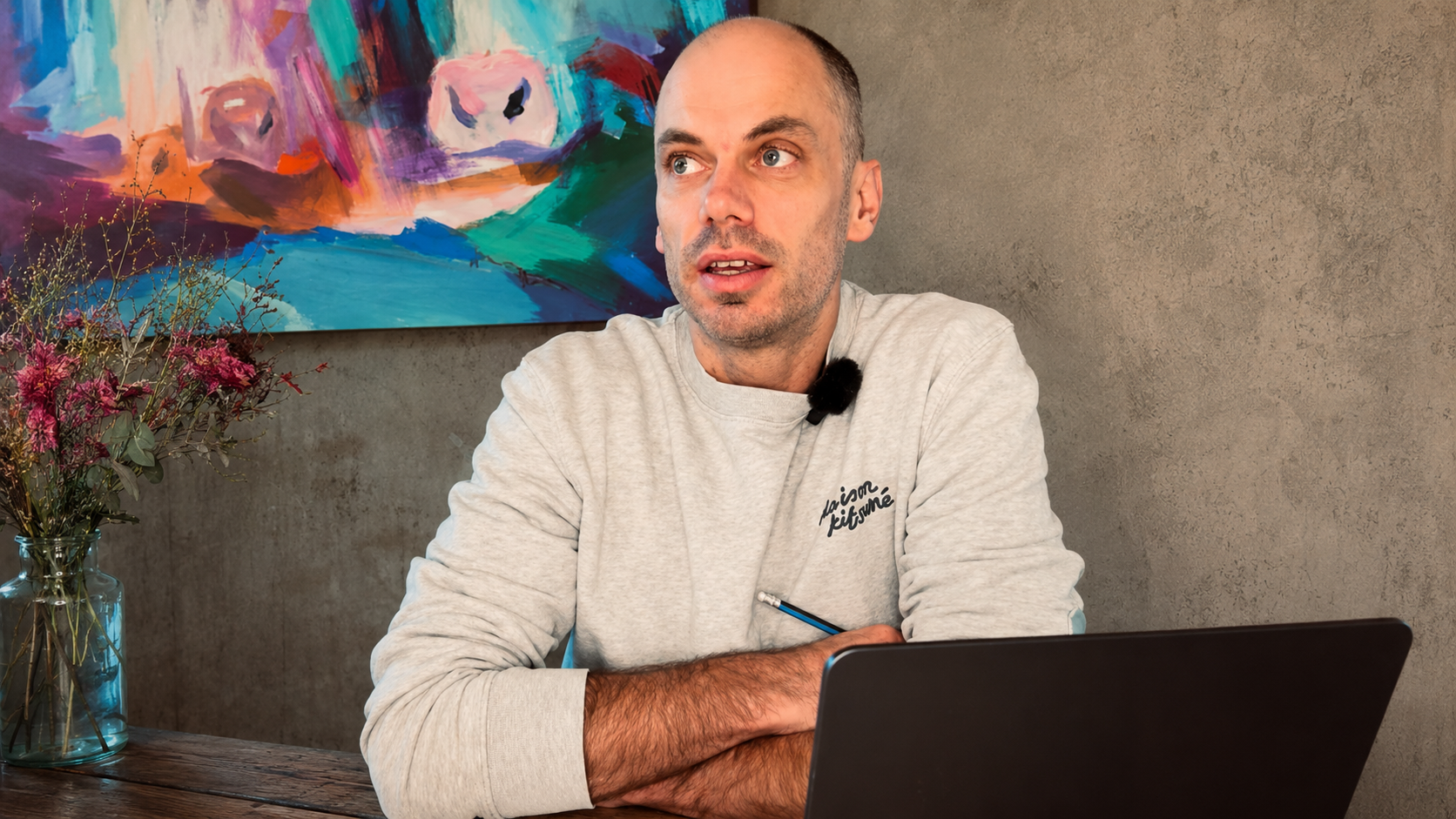
I had a coffee with a large group operator in Sydney last week, and he asked me a really good question, that I couldn't immediately answer.
"What were the three biggest mistakes you made when you were growing your hospitality group?"
The honest answer is that there were definitely more than three.
But there were three that came to mind straight away, because they were the ones that really started to matter once we grew past four sites. They were not dramatic mistakes. More like gaps in the way we operated that slowly became harder to ignore as the business got bigger.
We went from one venue to four. And somewhere between sites two and four, things started to come apart. Not dramatically — there was no single disaster. It was more like a slow loss of grip. Each site doing things slightly differently. Managers solving the same problems in different ways. Financials that arrived late and nobody quite trusted. Shifts that ended without anyone really knowing what had happened.
By the time we hit four venues, we weren't growing — we were barely hanging on.
If you're at two, three, or four sites and something feels off, I'd bet at least one of these is happening in your business right now.
Where things started to break
The natural instinct when you open a second or third venue is to just do what worked in the first one. And that works — for a while. The problem is that what made your first venue work often lived in your head. You were there. You knew every customer. You caught problems before they became problems. You were the system.
Scale that to multiple sites and you can't be everywhere. The things that used to happen automatically — because you were watching — stop happening. And because nothing catastrophic occurs overnight, it can take a long time to realise you've got a real problem.
Here are the three things we got badly wrong.
Mistake #1: No system for the customer journey
We had good venues. Good food, good staff, good vibes. But we'd never actually written down what "good" looked like from the moment a customer walked in to the moment they left.
What should happen when someone arrives and there's a wait? Who greets them? When does a table get cleared? When should a drink be topped up? How does a complaint get handled — by the floor staff, or the manager? When does the manager get involved?
None of it was documented. It existed as an informal understanding — understood differently by every manager and every team, at every site.
The result was not chaos. It was drift.
And in hospitality, drift is dangerous because it usually costs you repeat customers long before it shows up clearly in the numbers.
What good looks like: A documented customer journey. Not a bible — a clear, practical guide that defines every step from arrival to departure. Who does what, when, and how it gets escalated if something goes wrong. Management and floor staff know it. It gets reviewed in the weekly meeting. It's a living document, not a laminated poster.
Mistake #2: Financial information that nobody really trusted
Our financial data wasn't worthless. But it was close.
Reports came in late. Numbers didn't match across systems. Managers had their own spreadsheets — different versions, different formulas. By the time we knew how a venue had performed in a given week, the week was long gone and the decisions that mattered had already been made.
The real problem was trust. If people do not trust the numbers, they do not act on them. They debate them, explain them away, or wait for a cleaner version later.
We were running four venues on gut feel and hope.
Getting it all into one place — accurate, real-time, with every site visible in one view — changed how we operated. Net profit moved from around 5% to somewhere between 13–14%. That 8-point swing didn't come from a dramatic revenue lift or some genius cost-cutting move. It came from finally being able to see what was happening and make decisions based on reality.
Loaded was built directly out of this experience — the genesis of the product was the problem we couldn't solve with anything else that existed at the time.
What good looks like: Financial data that is live, trusted, and consistent across every site. One place where every manager sees the same numbers. A weekly conversation grounded in real figures — not approximations, not spreadsheets that "probably" reconcile.
Mistake #3: Poor communication between teams and managers
Every shift ends. Something happened during it. The question is: does anyone who needs to know, know?
In our business, for a long time, the answer was not reliably. Shift information got passed on informally — or not at all. Stock issues, service problems, equipment failures, staff incidents — sometimes they made it to management, sometimes they didn't. There was no consistent format. No standard for what should be captured and what didn't need to be. No structured way to close the loop.
The weekly management meeting existed, but it was loose. Managers came in with different information, different priorities, different levels of preparation. The meeting was reactive. We were solving last week's problems instead of preventing next week's.
What fixed it was structure. Not complicated structure — just consistent structure.
We introduced a shift report template that managers completed at the end of every shift. Key metrics, issues flagged, anything that needed follow-up. Simple and fast to fill out. Easy for anyone to read.
We changed the weekly management meeting so that managers filled out a template before they came in. The meeting itself became shorter and sharper — because everyone arrived prepared. We were able to use the time to actually make decisions, not to gather information.
Those two changes alone made the biggest difference to how much control we felt we had — which, when you're running multiple venues, is the thing that lets you actually lead the business instead of just survive it.
How Loaded fits in
There's a reason we ended up building Loaded. The systems we needed — accurate financials across every site, shift reporting that actually flowed to management, inventory data you could trust — weren't available in one place. We were stitching together spreadsheets, accounting software, and informal processes, and it wasn't good enough.
Loaded isn't the only reason these things got better. The mindset shift — getting analytical, being honest about what wasn't working, building actual systems — that came first. But having a platform that brought it all together made those systems sustainable. Managers didn't have to maintain their own spreadsheets. Data didn't have to be reconciled manually. Everyone saw the same numbers.
If you're at the stage where things are starting to slip — where growth feels more stressful than exciting — it's worth taking a look at what's actually missing. Usually it's not more revenue. It's the systems that let you run a bigger operation without losing your mind.
We stopped feeling like we were constantly reacting to the business, and started to feel like we were actually running it.
See how Loaded can work for your business
If you’ve never seen Loaded in action, jump over and book a demo with us. 30 minutes is all we’ll need to show you the magic!


More Profit
Making money doesn’t happen by accident! Learn how to tune your business and improve your bottom-line.



More Success Stories
Get inspired by stories from real Loaded customers who run thriving hospitality businesses.



More Labour
Get tips for optimising your staff’s time, and for managing your team effectively.


.jpg)
More Culture
Making money doesn’t happen by accident! Learn how to tune your business and improve your bottom-line.



More Design
Making money doesn’t happen by accident! Learn how to tune your business and improve your bottom-line.


More Design
Making money doesn’t happen by accident! Learn how to tune your business and improve your bottom-line.

More Design
Making money doesn’t happen by accident! Learn how to tune your business and improve your bottom-line.


Season 2: Spring Bootcamp for a Money-Making Summer
We've poured our 100+ combined years of hospitality experience into a series of live and recorded webinars that will be your bootcamp for a money-making summer.